Written by Sohrab Izad, Founder, Izad Development
Start With What Makes Land Attractive to a Developer
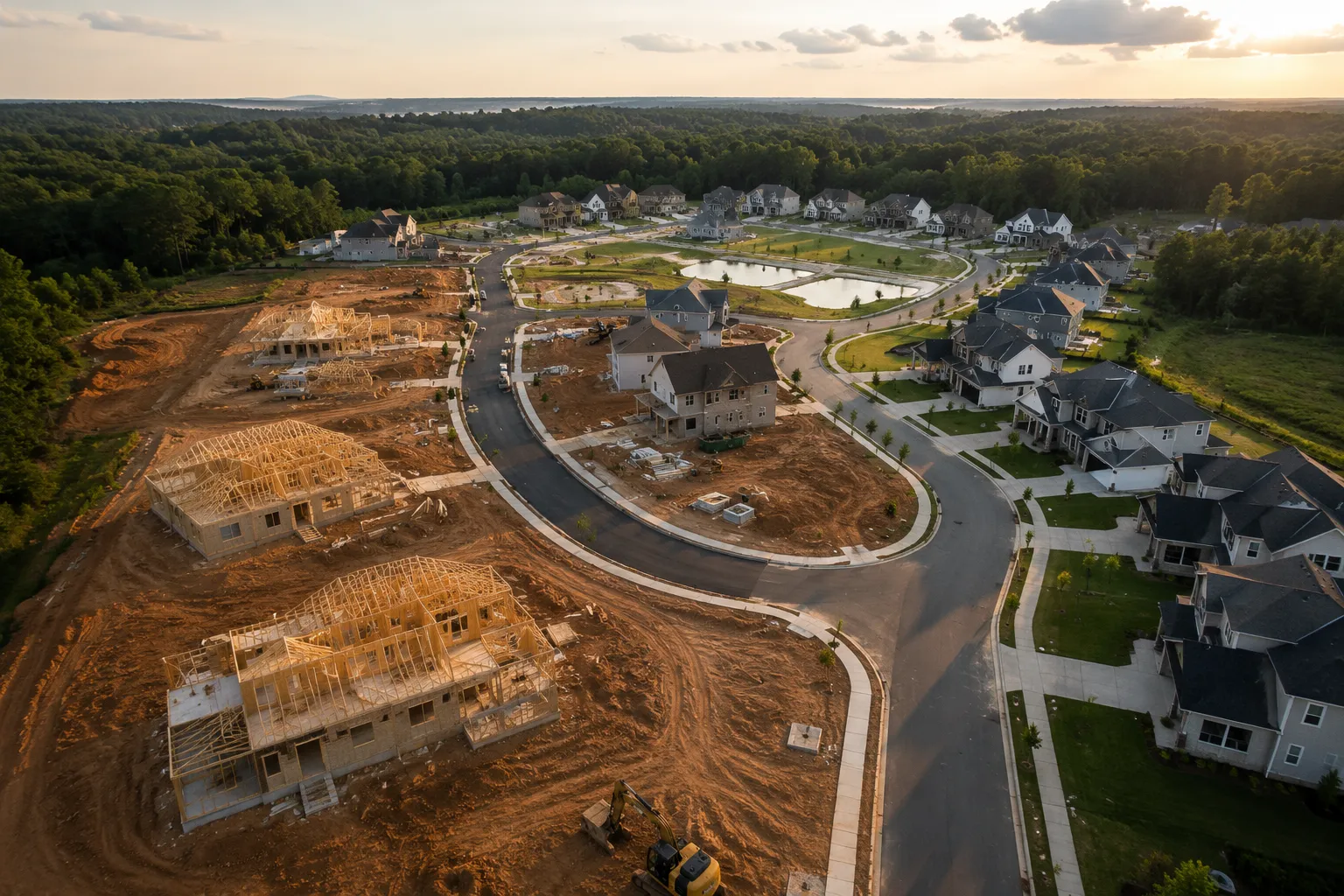
Not every parcel is a fit for residential development, and understanding what developers actually look for will save you time before you ever make a call. The strongest opportunities usually combine a few things: a location in an established, desirable market; a size that supports a meaningful project, whether that's a handful of estate homesites or a larger community; reasonably straightforward topography and drainage; and a realistic path to zoning or entitlement given how the surrounding area is already planned. Land that checks most of these boxes tends to move through evaluation faster and attract more serious interest.
Get a Realistic Sense of Value First
Raw land value and "developed value" are two very different numbers, and landowners sometimes anchor on the wrong one. A developer is pricing in site work, entitlement time and risk, infrastructure, and construction costs before a single home sells — so an offer that looks low compared to finished home prices nearby is often a reasonable reflection of everything that has to happen between now and a completed community. A local appraiser or a conversation with a developer directly can help set realistic expectations early, rather than after a deal has already stalled.
Understand the Timeline You're Signing Up For
Selling land to a developer rarely closes as fast as a typical home sale. Serious buyers will want time for due diligence — title work, survey, soil and drainage assessment, zoning confirmation, and often a feasibility study before committing. Depending on the site and market, this process can take anywhere from a few months to over a year before closing. Landowners who go in expecting a quick, simple transaction are often the ones most frustrated by the process; those who understand the timeline upfront tend to have a much smoother experience.
What to Ask a Prospective Buyer
Not all developers operate the same way, and a few direct questions early can save significant time. Worth asking: What is your typical timeline from agreement to closing? Is this offer contingent on rezoning or entitlement, and what happens if that doesn't go through? Do you have other completed projects nearby I can see? A developer with a real, verifiable track record in your area — not just a generic offer letter — is usually the safer counterparty.
Options Beyond a Straight Sale
An outright sale isn't the only structure available. Depending on the situation, options like a land contract contingent on entitlement, a joint venture where the landowner retains some upside, or a phased sale across multiple parcels can sometimes produce a better outcome than a single lump-sum offer — particularly for larger or more complex sites. It's worth asking any serious buyer whether they're open to structures beyond a simple purchase.
At Izad Development, we work directly with landowners across Milton, North Atlanta, and the broader Georgia and Ontario markets to evaluate sites honestly — including telling a landowner when a parcel isn't a fit for us, rather than stringing along a deal that won't close. If you're considering selling land for residential development, reach out and share the details, and we'll give you a straightforward read on whether it's a fit.